
Nurturing a child's emotional well-being is as crucial as their physical and cognitive development, laying the foundation for happy, resilient, and well-adjusted adults. At A to Z Building Blocks, we understand that a strong emotional base empowers children to navigate life's challenges, form meaningful relationships, and thrive in all aspects of their growth. This journey involves providing consistent support and teaching valuable skills that will serve them throughout their lives.
Understanding Emotional Milestones
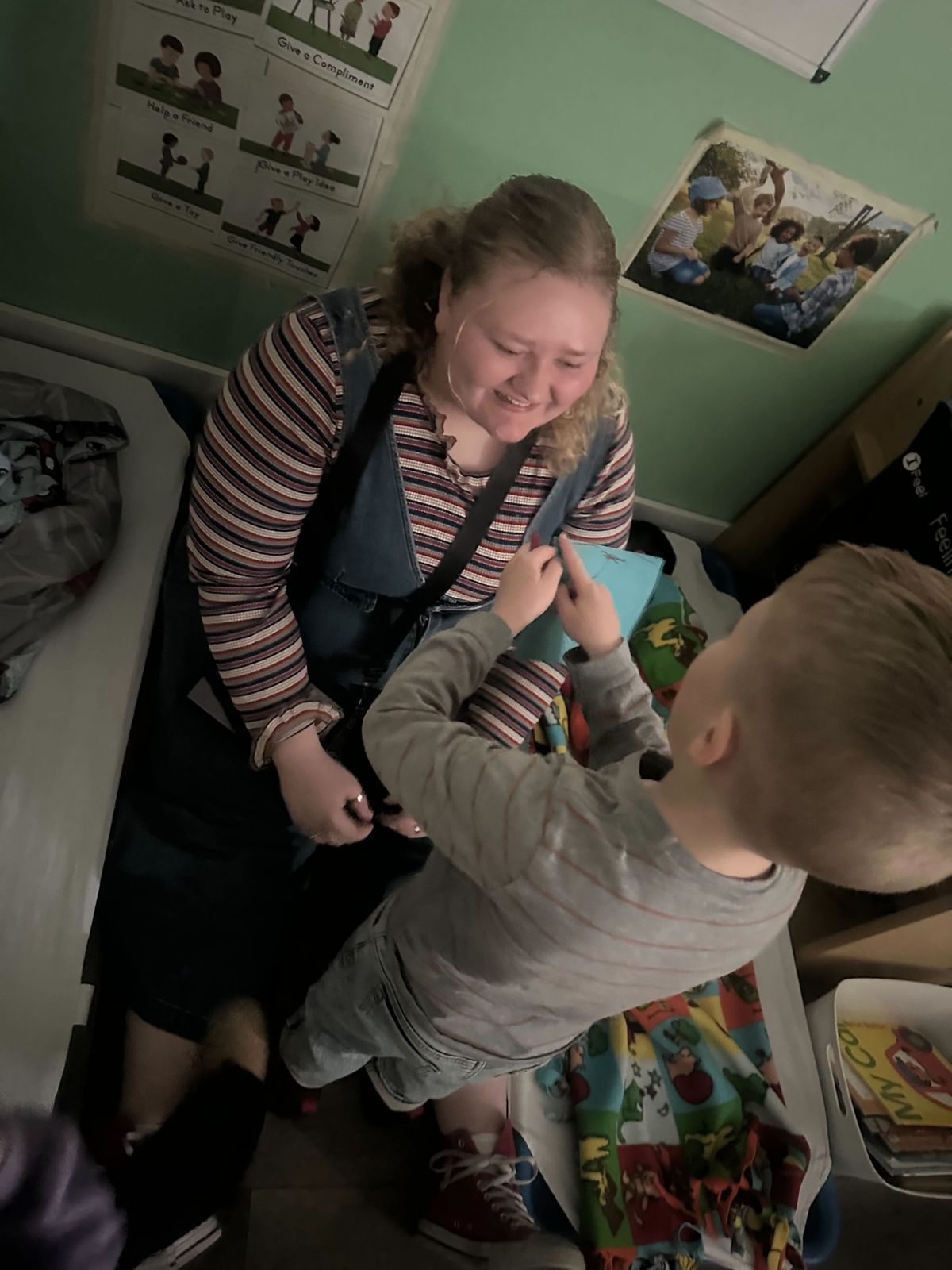
Children experience a wide spectrum of emotions, often without the words or understanding to express them fully. From the earliest stages in infant daycare, children begin to develop attachments and react to their environment, showing signs of joy, distress, and curiosity. As they progress into toddler care and preschool, their emotional world expands, and they start to identify feelings like frustration, excitement, and sadness. Recognizing these emotional milestones allows parents and caregivers to respond with empathy and validation. Instead of dismissing a child's feelings, acknowledging them ("I see you're feeling sad right now") helps them feel understood and teaches them that all emotions are valid, even if certain behaviors are not.
Creating a Secure and Predictable Environment
A stable and nurturing environment is paramount for a child's emotional health. Consistency in daily routines, clear and age-appropriate expectations, and a sense of belonging contribute significantly to a child's feeling of security. When children know what to expect and feel safe to express themselves, they are more likely to develop confidence and self-esteem. A supportive child care center or a family home that offers warmth, love, and predictable responses helps children build a strong emotional foundation. It teaches them trust and provides a steady anchor as they explore the world around them.
Teaching Healthy Emotional Regulation Skills
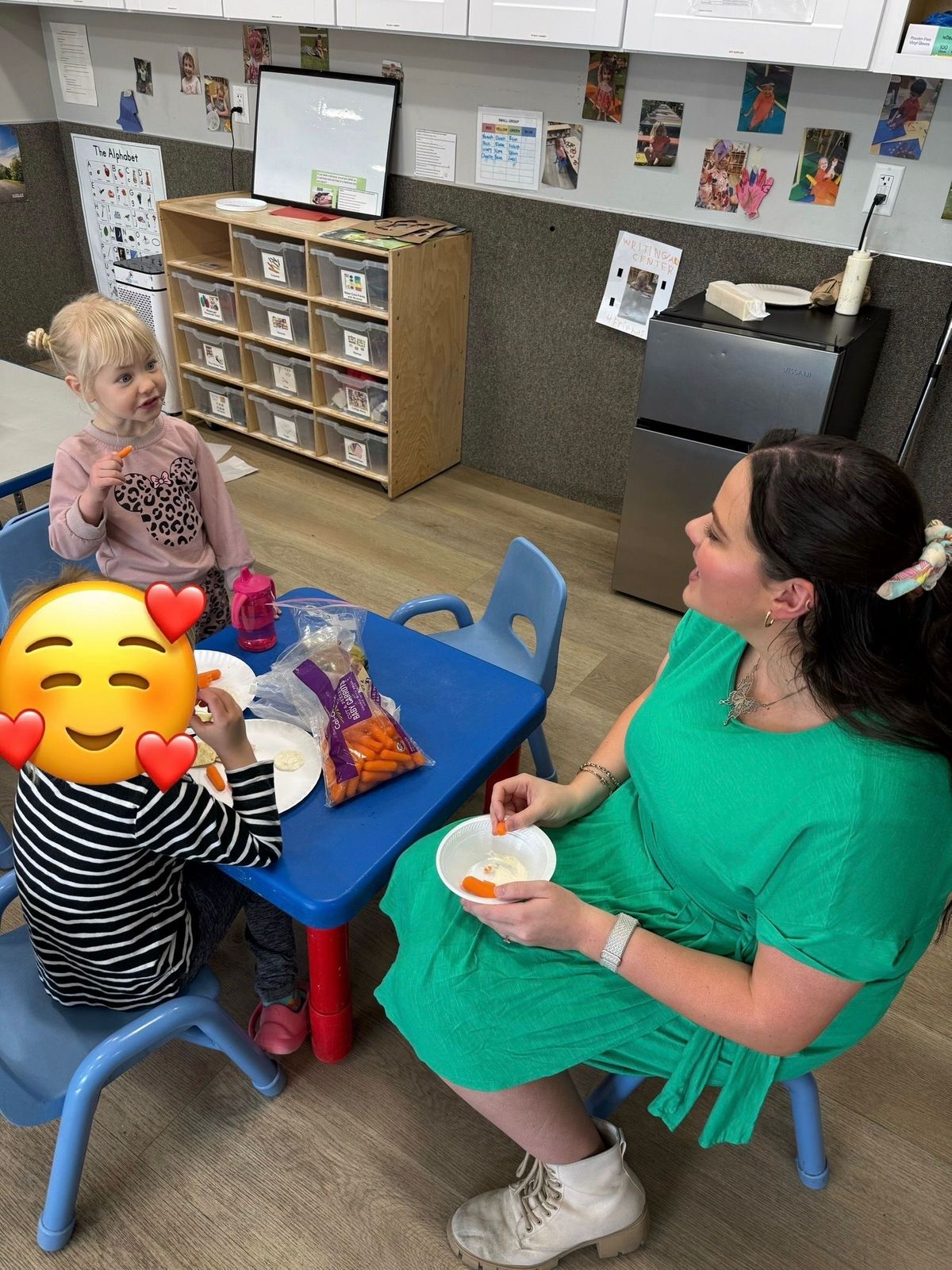
Helping children manage their emotions constructively is a vital life skill. This involves guiding them to identify their feelings and then offering tools for healthy expression and coping. For younger children, this might mean teaching deep breaths when they feel angry or encouraging them to draw their feelings. For older children, including those in before and after school care, it could involve discussing problem-solving strategies, encouraging empathy towards others, and modeling effective communication. These skills are not learned overnight but through consistent practice and gentle guidance, allowing children to develop resilience and the ability to navigate complex social situations with greater ease.
Cultivating a child's emotional well-being is an ongoing journey that requires patience, understanding, and a commitment to creating a supportive environment. By focusing on emotional understanding, providing security, and teaching regulation skills, we empower children to grow into emotionally intelligent individuals ready to face the world. To learn more about how we foster a nurturing atmosphere and support emotional development in young learners, explore the resources available on our website.